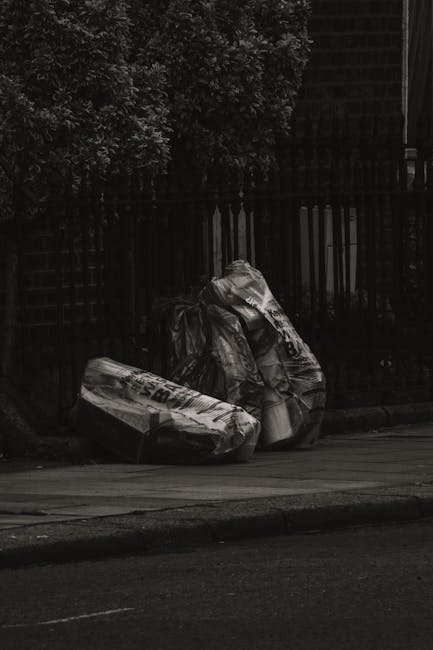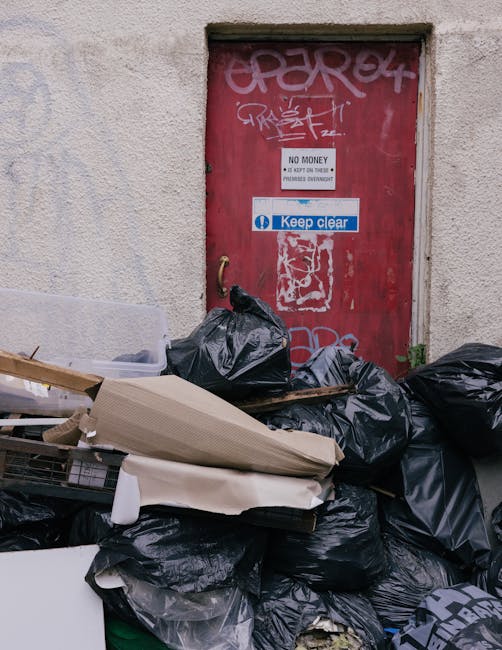
SW15 bulky rubbish removal near Putney Bridge station: a practical local guide
If you are staring at an old sofa, a broken wardrobe, or a pile of awkward household junk and thinking, "Right, how is this getting out of here?", you are not alone. SW15 bulky rubbish removal near Putney Bridge station is exactly the kind of service people need when items are too large for normal bins, too heavy for a solo trip, and too inconvenient to leave hanging around for another week. In a busy part of South West London, with flats, shared entrances, narrow stairwells, and limited parking, getting bulky waste cleared properly can save time, stress, and a fair bit of backache.
This guide explains how bulky rubbish removal works, what to expect, what to avoid, and how to choose the right approach for your property and schedule. It also covers practical decisions people often overlook, like access, item type, recycling, and what happens with mixed loads. Let's make it simple.
Why SW15 bulky rubbish removal near Putney Bridge station Matters
Bulky rubbish is different from everyday household waste. A dining table, mattress, chest of drawers, old desk, dismantled shelving, or a fridge that has finally given up the ghost does not fit neatly into the usual routine. In SW15, that matters even more because the local housing mix can make removal awkward: mansion blocks, riverside flats, period terraces, basement conversions, and properties with little storage. What looks like "just one large item" can quickly become a blockage in a hallway or a safety issue on the landing.
Near Putney Bridge station, convenience is another big factor. People often need clearances around commuting schedules, work-from-home routines, tenancy handovers, refurbishments, or weekend moves. Bulky rubbish left too long tends to spread. One item becomes three, then suddenly there is cardboard, packaging, and general clutter around it. Truth be told, it is often the delay that makes the job feel bigger than it really is.
There is also the practical side. You may not want to hire a full skip for a few large items, and you may not have space for one anyway. That is where tailored bulky waste collection or full junk removal becomes useful. It is a cleaner fit for a lot of SW15 homes and small businesses.
If the items came from a larger clear-out, you may also want to look at house clearance, flat clearance, or home clearance depending on the property type and the amount of waste involved.
Expert summary: The best bulky rubbish removal is not just about lifting heavy items. It is about safe access, quick scheduling, sensible sorting, and making sure the waste is handled responsibly from start to finish.
How SW15 bulky rubbish removal near Putney Bridge station Works
In simple terms, bulky rubbish removal is a collection and disposal service for items too large, heavy, or inconvenient for standard waste streams. Depending on the provider, the process may be quick and direct: you describe the items, get an estimate, book a collection, and have the waste removed from your property or kerbside. Sometimes the team loads everything for you. Sometimes you are asked to group items in one accessible place. Small difference, big impact.
For local properties near Putney Bridge station, access often shapes the whole job. A ground-floor flat with street access is very different from a top-floor apartment with a tight staircase and no lift. That does not mean the job cannot be done; it just means the logistics should be understood in advance. If you are clearing a place with mixed waste, it helps to separate bulky items from lighter general rubbish and any special waste that needs separate handling.
Typical bulky items include sofas, mattresses, wardrobes, tables, bed frames, shelving, appliances, carpets cut into manageable pieces, and office furniture. For certain items, specific handling may be needed. A fridge or freezer, for example, should be dealt with through a proper appliance route. You can see how that service fits into the wider picture with fridge and appliance removal. For sofas and mattresses, there is a dedicated route too: mattress and sofa disposal.
If your load includes construction leftovers, it may be closer to builders waste clearance. If it is a commercial clean-out, office clearance or business waste removal may be the better fit. Same area, very different need. That distinction matters.
Key Benefits and Practical Advantages
The obvious benefit is that bulky waste disappears without you having to haul it yourself. But the real value runs deeper than that. A good removal service can reduce disruption, keep shared areas clear, and save you from renting transport or spending a Saturday wrestling a sofa through a stairwell. Let's face it, that rarely ends well.
- Less physical strain: No improvised lifting, no awkward dragging, no "we'll just tip it on its side and hope".
- Faster turnaround: Useful when you are between tenants, preparing for tradespeople, or trying to reclaim a room.
- Better access to recycling: Many bulky items can be sorted for reuse, parts recovery, or material recycling depending on condition and type.
- Cleaner communal spaces: Particularly important in blocks with shared hallways, lifts, or front paths.
- Less admin: A straightforward collection can be easier than arranging transport, skip permits, or multiple trips to a disposal site.
There is also a mental benefit people underestimate. Once a bulky item is out, the room feels different. Bigger. Calmer. Like the place can breathe again. That is not marketing fluff; you notice it straight away when a cleared room suddenly catches the light better in the morning.
If you care about waste handling standards, the provider's wider approach matters too. Pages such as recycling and sustainability and insurance and safety are useful signals that the service is thinking beyond simple collection.
Who This Is For and When It Makes Sense
Bulky rubbish removal near Putney Bridge station suits a surprisingly wide range of people. It is not just for people moving house or renovating. In real life, it is often for smaller, more everyday situations that just happen to involve large items.
- Tenants ending a tenancy: You need the place emptied quickly and left in decent shape.
- Landlords and letting agents: A quick, tidy collection helps reduce downtime between occupiers.
- Homeowners: Old furniture, loft clutter, or garden leftovers can pile up faster than expected.
- Flat owners: Shared hallways and stairs make bulky items especially inconvenient.
- Small businesses: Office desks, chairs, shelving, packaging, and legacy stock all need clearing now and then.
- People supporting relatives: A home clearance can become emotional and physically demanding all at once.
It also makes sense when the waste is too little for a skip but too much for a car boot. That middle ground is where bulky rubbish removal really earns its keep. If you are unsure whether your job is more of a one-off collection or a larger clear-out, compare the likely load with waste removal and specific services like furniture clearance or garage clearance.
One quick example: a couple in SW15 clearing out a spare room after years of "temporary storage" may only have a bed base, two chairs, and several bags of mixed clutter. That is usually enough to justify a professional collection, but not enough to make skip hire feel sensible. A short, tidy removal solves the problem in one go.
Step-by-Step Guidance
Here is the cleanest way to approach bulky rubbish removal without making it more complicated than it needs to be.
- Make a clear list of items. Write down what needs removing and, if possible, take a few photos. This helps with pricing and planning.
- Check access. Note stairs, lifts, parking restrictions, timed entry, or narrow doorways. These details are boring, yes, but they matter.
- Separate special items. Fridges, appliances, electricals, and anything hazardous should be identified early.
- Decide what stays. This sounds obvious, but people often discover unwanted extras at the last minute. Better to decide now.
- Ask about collection format. Will everything be lifted from inside, or do items need to be placed outside? Clarify before the day arrives.
- Compare pricing style. Some jobs are quoted by volume, some by item type, and some by load complexity. You can explore the basics through pricing and quotes.
- Book a time that suits the property. In busy SW15 streets, a sensible time slot can make the whole visit smoother.
- Prepare the area. Clear a route to the items, protect fragile flooring if needed, and keep pets or children safely out of the way.
- Review what was removed. Once the load is gone, take a quick look around for forgotten bits like screws, cushions, leads, or detachable drawers.
If the job is part of a broader declutter, consider whether other linked services would be more efficient at the same time, such as loft clearance or furniture disposal. Small planning choices can save a lot of faff.
Expert Tips for Better Results
A smoother collection usually comes down to preparation, clear communication, and a little local awareness. Here are the tips that make the biggest difference in the real world.
- Photograph awkward items in daylight. A quick image by a window often explains more than a paragraph of text.
- Measure the tight spots. Doorways, stair turns, and lift dimensions can matter more than you expect.
- Be honest about condition. If an item is broken, damp, partially dismantled, or mixed with other waste, say so early.
- Group items logically. Keep mattresses, wood, metal, and mixed junk separated if possible. It helps sorting later.
- Book before the pressure peaks. End-of-tenancy days and pre-refurbishment weeks tend to feel rushed. Earlier is calmer.
- Ask how recycling is handled. A clear sustainability approach is usually a sign of a well-run operation.
A small but useful one: keep the route to the waste clear from the night before if you can. People forget this all the time, then spend twenty minutes moving umbrellas, shoes, laundry baskets, and that one annoying plant stand that always gets in the way. You know the one.
For items that need more careful handling, read the relevant service page rather than assuming everything is treated the same. For example, hazardous waste disposal is a separate consideration from ordinary bulky rubbish, and it should be treated as such.
Common Mistakes to Avoid
Most problems with bulky rubbish removal are avoidable. They are usually caused by assumptions, not bad luck.
- Assuming every item is the same: A wardrobe, a freezer, and a pile of mixed bits do not belong in the same mental box.
- Not checking access in advance: A service can usually work around a problem, but only if it knows about it beforehand.
- Leaving all sorting until collection day: That tends to slow things down and create confusion.
- Ignoring communal rules: In flats or managed buildings, a quick check with building management can prevent awkward conversations later.
- Forgetting about heavy or awkward add-ons: A "single sofa" often turns out to include cushions, feet, a broken frame, and the old throw blankets stuffed behind it.
- Choosing a method without checking the load: A skip may be overkill, while a small one-off collection may be perfect. It depends.
One more thing: do not leave hazardous items mixed in with normal bulky waste. If there is paint, chemicals, gas canisters, batteries, or anything that might leak or react, that needs separate thought. Better to pause and ask than to muddle through and hope.
Tools, Resources and Recommendations
You do not need specialist equipment to get ready for a bulky waste collection, but a few simple tools help. A tape measure, a phone camera, strong gloves, and a basic list of items are often enough. If you are dismantling lightweight furniture, keep a screwdriver set and a small container for fixings. Little details, big difference.
For planning, these pages can help you think through the job more clearly:
- what can go in a skip for understanding the difference between bagged waste, mixed loads, and larger item disposal
- recycling and sustainability if you want to know how responsible disposal is typically approached
- payment and security if you prefer to understand how transactions are handled before booking
- about us for a better sense of the company behind the service
Recommended habits are pretty straightforward: take clear photos, keep item groups together, and write down anything that might affect access. That could be a locked gate, a basement level, a parking bay issue, or a lift that is just a touch too small. None of that is unusual. It is just useful to know.
Law, Compliance, Standards, or Best Practice
For bulky rubbish removal in the UK, the safest approach is to work with a provider that handles waste responsibly and can explain where it is going. While this article does not try to list every legal detail, there are a few practical standards worth keeping in mind. Waste should be collected, transported, and processed in a way that avoids nuisance, fly-tipping, and unsafe handling. Hazardous or specialist items should be separated and dealt with appropriately. And if waste is being removed from a business setting, records and duty-of-care expectations become even more important.
From a customer's point of view, best practice is simple: ask whether the load is sorted, where recyclable materials may end up, and how the company approaches safety. If a business is clear about its health and safety policy and insurance and safety, that is usually a good sign. It shows they are thinking beyond the lift-and-go stage.
Also, if you are disposing of items like appliances or mixed materials, do not assume they can all be treated together. Proper segregation is a normal part of good practice. A tidy collection is good. A responsible one is better.
Options, Methods, or Comparison Table
People usually choose between a few approaches: bulky rubbish removal, skip hire, self-transport, or bundling everything into a bigger clearance. The right one depends on volume, access, time, and how much lifting you are willing to do yourself.
| Method | Best for | Pros | Trade-offs |
|---|---|---|---|
| Bulky rubbish removal | Large individual items, mixed furniture, quick clear-outs | Fast, convenient, little effort from you | Less suitable for very large renovation loads |
| Skip hire | Ongoing renovation or heavier continuous waste | Good for repeated filling over time | Needs space and may involve permit considerations |
| Self-transport | Small volumes and people with suitable vehicle access | Direct control over timing | Physical effort, multiple trips, loading hassle |
| Full clearance service | Whole rooms, whole homes, offices, or larger mixed contents | Comprehensive and efficient | May be more than you need for a few items |
If you are on the fence, ask yourself one question: am I trying to remove a few awkward items, or am I actually clearing a space? That answer usually points you in the right direction.
Case Study or Real-World Example
A fairly typical SW15 scenario goes like this. A resident near Putney Bridge station has a spare room filled with a broken bed frame, an old mattress, two office chairs, and some packaging from a recent delivery. The room is not huge, but the items are bulky enough that they dominate the space. There is a narrow hallway, shared access, and no appetite for carrying furniture down stairs on a weekday evening.
Rather than trying to break everything down over several days, the resident lists the items, checks the access route, and groups the waste near the door. One collection later, the room is back to being usable. No drama. No second trip. And the apartment feels cleaner almost immediately because, honestly, empty space does that.
In a different example, a small office near the station may need old desks, filing cabinets, and a few damaged chairs removed after a layout change. That is less about domestic bulky waste and more about office clearance. The principle is the same, though: identify the load, understand access, and match the service to the job rather than guessing.
That is the part people often miss. Good removal is not only about speed. It is about matching the method to the mess.
Practical Checklist
Use this checklist before booking SW15 bulky rubbish removal near Putney Bridge station:
- List every item that needs removing.
- Separate bulky items from general rubbish.
- Flag any appliance, electrical, or hazardous item.
- Measure tight access points, stairs, and doorways.
- Check for parking or building access restrictions.
- Decide whether items will be collected from inside or outside.
- Take photos of awkward or heavy pieces.
- Confirm whether any dismantling is required.
- Review the likely best-fit service: removal, clearance, or disposal.
- Keep the route to the items clear on the day.
For a broader look at household clear-outs, you may also find garage clearance and loft clearance helpful if the bulky items are part of a bigger tidy-up.
Get a free quote today and see how much you can save.
Conclusion
SW15 bulky rubbish removal near Putney Bridge station is really about making awkward waste feel manageable. Whether you are clearing a flat, a family home, an office, or a storage-heavy room that has quietly got out of hand, the right approach saves time and prevents hassle. The big wins come from simple things: clear item lists, honest access details, sensible sorting, and choosing a service that matches the load.
Done well, bulky waste removal is fast, tidy, and surprisingly relieving. One less sofa in the hallway, one less mattress in the spare room, one less thing hanging over your head. It sounds minor, but you will feel the difference straight away.
And if you are still deciding, that is fine too. A thoughtful plan today usually makes tomorrow much easier.
Frequently Asked Questions
What counts as bulky rubbish in SW15?
Bulky rubbish usually means items that are too large or awkward for normal household bins, such as sofas, mattresses, wardrobes, tables, bed frames, shelving, and some appliances.
Can bulky items be collected from flats near Putney Bridge station?
Yes, but access matters. Stairs, lifts, hallway width, and parking all affect how the collection is planned. Clear information up front helps the job go smoothly.
Is bulky rubbish removal better than skip hire?
It depends on the job. Bulky rubbish removal is often better for a few large items or mixed furniture, while skip hire can suit ongoing renovation waste or larger repeated loads.
Do I need to separate appliances from other bulky waste?
Usually yes, especially for items like fridges, freezers, and other electrical appliances. These often need separate handling, so it is best to flag them early.
How do I prepare for a bulky waste collection?
Make a list of items, check access, clear the route to the waste, and take photos if anything is awkward or heavy. A few minutes of prep saves a lot of confusion later.
Can old furniture be removed as part of the service?
Yes. Furniture is one of the most common bulky waste categories. Depending on the item, it may fit under furniture clearance, furniture disposal, or a wider house or flat clearance.
What should I do with a mattress or sofa?
Mattresses and sofas are common bulky items, but they can be awkward because of size and material mix. A dedicated disposal route is usually the simplest option.
Is bulky rubbish removal suitable for businesses?
Yes. Offices, shops, and small commercial spaces often use it for desks, chairs, shelving, stock, and general junk that needs clearing quickly and safely.
How do I know if my load needs hazardous waste disposal?
If your waste includes chemicals, paints, gas bottles, batteries, or other potentially harmful materials, it should be treated separately. When in doubt, ask before collection.
Will the service take everything at once?
Usually, yes, if the items were described accurately and access is as expected. If something changes on the day, the team may need to adjust the plan.
What if I only have one or two large items?
That is still a valid reason to book bulky rubbish removal. In fact, a few awkward items are often the best use case because they are hard to move yourself but too much trouble to leave lying around.
How can I check pricing before booking?
The easiest route is to review the pricing information and request a quote based on the items, access, and collection type. Clear photos help make pricing more accurate.
Can I combine bulky rubbish removal with a wider clearance?
Absolutely. If the waste is part of a bigger declutter, a combined service such as house clearance, flat clearance, or office clearance may be more efficient.
What is the most common mistake people make?
The most common mistake is underestimating access. A sofa that looks simple on paper can become a problem if stair turns are tight or the lift is too small. A quick check avoids that headache.
Where can I learn more about the company and its standards?
You can review pages like about us, health and safety policy, and recycling and sustainability for a better picture of how the service is run.
If you are ready to clear out the awkward stuff and get your space back, the next step is simple. Make the list, check the access, and take it from there. A small job handled well is still a win. Sometimes that is exactly what a busy week needs.