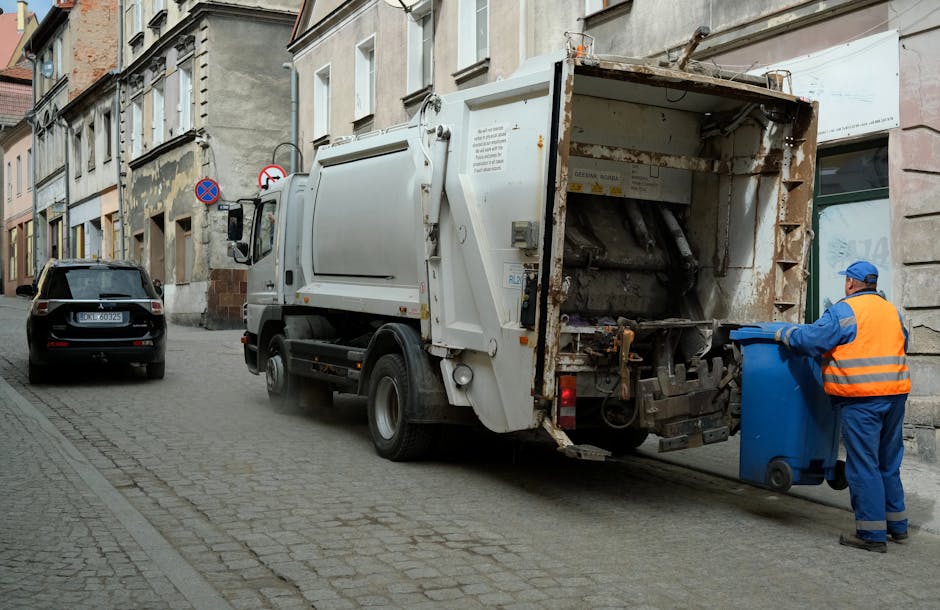
Putney High Street rubbish removal guide for residents
If you live near Putney High Street, rubbish can pile up faster than you expect. A flat move, a new sofa, a bit of DIY, or just years of "I'll sort that later" can quickly turn into a hallway full of boxes, broken bits, and things you no longer want. This Putney High Street rubbish removal guide for residents is here to make the whole process feel less confusing and a lot more manageable. You will find practical steps, useful comparisons, and a few honest tips from the kind of situations people actually face on busy London streets.
Truth be told, most people do not need a grand waste strategy. They just need a clear plan, the right service, and a way to avoid common mistakes that cost time or create extra hassle. Let's sort that out properly.
Table of Contents
- Why it matters
- How it works
- Key benefits and practical advantages
- Who this is for and when it makes sense
- Step-by-step guidance
- Expert tips for better results
- Common mistakes to avoid
- Tools, resources and recommendations
- Law, compliance, standards, and best practice
- Options, methods, and comparison table
- Case study or real-world example
- Practical checklist
- Conclusion
- Frequently asked questions
Why Putney High Street rubbish removal guide for residents Matters
Putney High Street has a very specific rhythm. There are busy pavements, mixed-use buildings, constant foot traffic, and the usual London challenge of limited space. That means rubbish removal is not just about getting things out of your home; it is about doing it safely, discreetly, and without creating a nuisance for neighbours or blocking shared access.
For residents, the biggest issue is often not the waste itself but the practical knock-on effects. A bulky item left in a narrow stairwell can become a fire escape issue. A bag of builder's rubble left by the front door can quickly become a trip hazard. And if you are dealing with a flat, a basement, or a top-floor property with no lift, the job gets more complicated very quickly. Not impossible. Just a bit more thought needed.
There is also the emotional side, which people rarely mention. A house clearance after a family change, or a long-overdue declutter before a move, can be tiring in a way that is hard to explain. On days like that, clear, organised rubbish removal is a relief. It gives you your space back.
If the waste includes household items, old furniture, or mixed clearances, it often helps to look at dedicated services such as house clearance, flat clearance, or furniture disposal rather than trying to force everything into one generic approach.
How Putney High Street rubbish removal guide for residents Works
The basic process is simple, but the details matter. Most rubbish removal jobs follow the same pattern: you identify what needs to go, separate items if necessary, arrange a collection, and make sure access is clear on the day. Sounds straightforward. In real life, the tricky part is usually the sorting.
For example, one resident may have a broken wardrobe, two bags of old clothes, a mattress, and a box of dismantled shelves. Another may have garden cuttings, a rusted bike, and a fridge that is no longer working. These are all rubbish removal jobs, but they are not all handled in exactly the same way. Some materials are recyclable, some are bulky, and some require extra caution because of electrical components or sharp edges.
On Putney High Street, timing matters too. If you have restricted access or limited parking, a planned collection is usually far less stressful than trying to improvise on the day. That is one reason people often compare general waste removal with more specific services like builders waste clearance or garden clearance. The right fit depends on what is actually in the pile.
Put simply: the service works best when the waste is described accurately and the access is thought through before collection day. That one bit of planning saves a lot of faff.
Key Benefits and Practical Advantages
There are a few obvious benefits to using a proper rubbish removal service, but the practical gains are often bigger than people expect.
- Less time wasted: no repeated trips to a disposal site, no waiting around with a car full of junk.
- Better safety: heavy or awkward items are moved with the right handling.
- Cleaner spaces: you get to reclaim rooms, hallways, garages, lofts, or balconies that have become storage zones.
- Better sorting: recyclable items, reusable items, and specialist waste can be separated more sensibly.
- Reduced stress: once the job is booked, there is a clear end point. That matters more than people think.
There is also the flexibility factor. Not every resident needs a full property clearance. Sometimes you just need a single bulky item gone. Other times it is a batch of mixed items from a spring clean, or a whole home after a tenant move. Services like home clearance, loft clearance, and garage clearance exist because real homes are messy and varied. Fair enough.
One practical advantage people often overlook is the ability to clear space before a deadline. Moving day has a habit of arriving very fast. So does the day a landlord, surveyor, or decorator needs access. A coordinated removal can make the difference between chaos and a job that feels under control.
Who This Is For and When It Makes Sense
This guide is for residents who need a clear, local way to deal with waste without overcomplicating it. If you live in a flat above a shop, a terrace near the High Street, or a larger family home a little further out, the same basic rule applies: if the waste is awkward, heavy, mixed, or time-sensitive, professional removal usually makes sense.
It is especially useful if you are:
- moving house and need a fast clear-out
- replacing furniture and want the old items removed
- renovating a room and have builders' debris to shift
- clearing a loft, garage, shed, or spare room
- dealing with bulky items that will not fit standard bins
- sorting out waste after letting changes or property maintenance
Residents often ask whether they should choose a general clearance or a more specific service. As a rough rule, if the load is mostly furniture, a dedicated furniture clearance or mattress and sofa disposal option may be more efficient. If it is business-related, then business waste removal is the cleaner fit.
And if your waste includes something awkward like a fridge, freezer, or integrated appliance, it is wise to handle it separately rather than lumping it in with general rubbish. That's one of those small decisions that saves a lot of grief later.
Step-by-Step Guidance
Here is a sensible way to approach rubbish removal from Putney High Street without making it harder than it needs to be.
- Walk through the space first. Look at every item and decide whether it is rubbish, donation material, recycling, or something that needs specialist handling.
- Separate bulky and fragile items. Broken glass, splintered wood, and damaged furniture are easier to manage when grouped logically.
- Check access. Measure stairwells, note parking restrictions, and think about where items can be placed before collection. If your building has tight entrances, say so early.
- Identify special waste. Appliances, chemicals, and certain renovation materials need extra care. Do not mix them in blindly.
- Estimate volume honestly. A pile that looks "small" in the morning can turn into two vanloads by lunchtime. Happens all the time.
- Choose the right service. Match the job to the job type. For example, fridge and appliance removal is not the same as clearing a few bags of general waste.
- Book with clear instructions. Mention access, parking, item types, and timing. The more accurate the brief, the smoother the visit.
- Prepare on the day. Move small loose items together, keep pathways open, and make sure you can answer any questions quickly.
A small but useful tip: keep a "not going" pile as well as a "going" pile. It sounds obvious, yet in a rush it helps avoid accidental disposal of paperwork, keys, chargers, or that one remote control everyone blames everyone else for losing.
Expert Tips for Better Results
In our experience, the smoothest rubbish removal jobs are the ones where the resident gives a bit of context upfront. Not long explanations. Just enough detail to avoid surprises.
1. Photograph the waste if possible. A couple of clear pictures usually help far more than a vague description. You do not need to stage anything. Just a simple, honest view is enough.
2. Put the heaviest items near the exit if you can do so safely. That may sound minor, but on upper floors or in narrow hallways it can make a real difference.
3. Keep specialist items separate. A fridge, a sofa, and a bag of rubble are not the same kind of job. Grouping them properly keeps things tidy and avoids confusion.
4. Think about recycling before collection day. If some items can be reused or recycled, separate them early. It is cleaner, quicker, and usually more responsible. You can also read more about the company's approach to recycling and sustainability.
5. Don't leave it until the last minute. Especially if you are trying to fit a clearance around work, a school run, or a lease deadline. The clock has a funny way of speeding up when the hallway is full of junk.
One more thing: if you are dealing with a mixed household clearance, make sure valuables and personal paperwork are removed before any collection is arranged. Simple, yes, but it is the kind of thing people forget when they are tired.
Common Mistakes to Avoid
Most rubbish removal problems come from a handful of very ordinary mistakes. Nothing dramatic. Just avoidable.
- Underestimating the volume: this leads to delays or the wrong service being booked.
- Mixing specialist waste with general waste: especially appliances, sharp items, or potentially hazardous materials.
- Ignoring access issues: if a van cannot stop close enough, the job takes longer and may become awkward for everyone involved.
- Leaving fragile or valuable items in the pile: a quick final check prevents mistakes.
- Forgetting about neighbours: noise, shared entrances, and hallway space matter in residential buildings.
- Choosing the cheapest option without checking what is included: cheap can be fine. Vague is the real enemy.
Another mistake is assuming every item can go in the same load. Some waste streams are fine together; others are not. If you are unsure, ask before collection rather than hoping for the best. Hope is not a waste plan.
Tools, Resources and Recommendations
You do not need a warehouse full of kit to organise rubbish removal well. A few simple tools make the process much easier.
- Sturdy bin bags or rubble sacks: useful for loose waste, clothes, packaging, or garden cuttings.
- Marker pen and tape: helpful for labelling what is staying and what is going.
- Basic gloves: useful when sorting old furniture, dusty loft items, or broken materials.
- Tape measure: handy for bulky items, particularly in narrow homes or flats.
- Phone camera: quick photos help with planning and explanation.
For residents wanting a fuller clear-out, the most useful pages to review are often pricing and quotes, book online, and what can go in a skip. Even if you do not end up using a skip, that last page can be a good reference point for what is generally accepted and what usually needs separate handling.
If your situation is more sensitive, such as paperwork-heavy clearances or office contents, confidential shredding is worth considering. For a commercial property, the better route may be a dedicated office clearance service.
Law, Compliance, Standards, or Best Practice
For rubbish removal in London, the big thing to keep in mind is duty of care. In plain English, that means waste should be handled responsibly, passed to the right people, and not dumped somewhere it should not be. Residents do not usually need to become legal experts, but it is sensible to work with a provider that treats waste handling properly.
Best practice usually includes:
- clear identification of waste types
- separate handling of hazardous or specialist items
- safe lifting and movement procedures
- appropriate disposal or recycling routes
- care with access, property protection, and public safety
If you are dealing with items that could be hazardous, such as certain chemicals, paints, or damaged electrical goods, do not guess. Use a specialist route such as hazardous waste disposal. That is the sensible move, full stop.
Insurance and health and safety also matter. Even a simple removal job can involve slips, cuts, awkward lifting, or damage in tight spaces. A reputable service should be clear about working safely, and residents should also keep pathways open and alert the team to any risks. If you want to understand the approach in more detail, pages like health and safety policy and insurance and safety help build confidence.
Options, Methods, or Comparison Table
Residents around Putney High Street usually end up choosing between a few practical options. The right one depends on how much waste you have, how quickly it needs to go, and what kind of items are involved.
| Option | Best for | Strengths | Trade-offs |
|---|---|---|---|
| Self-removal | Very small loads, simple items | Can be flexible if you already have transport | Time-consuming, tiring, and awkward for bulky waste |
| Skip hire | Longer projects, DIY waste, ongoing clear-outs | Useful for larger volumes, familiar process | Needs space, careful filling, and may not suit tight High Street access |
| Man and van-style rubbish removal | Mixed household waste, bulky items, quick clearances | Flexible, convenient, often faster for residents | Best when the waste is described accurately upfront |
| Specialist clearance | Furniture, appliances, builders' waste, lofts, gardens | More precise handling and better fit for specific jobs | Requires choosing the right service type |
For many Putney residents, the balanced choice is not the biggest option but the most appropriate one. A focused service often saves more time and stress than trying to make a one-size-fits-all method work.
Case Study or Real-World Example
A fairly typical Putney High Street scenario goes like this. A resident is moving out of a second-floor flat and has a broken chest of drawers, a mattress, several black bags, some old kitchen equipment, and a few dusty boxes from the spare room. Nothing unusual, really. Just a lot of small things that somehow add up to a lot of work.
At first, the resident thinks a few car trips might do it. Then they notice the parking situation, the narrow staircase, and the fact that the mattress is not exactly a one-hand lift. The plan changes. Sensibly. They separate paperwork and valuables, gather everything else in one room, take quick photos, and arrange a collection that suits the access and the type of waste.
On the day, the clearance is quicker because the job has been described clearly. The team can see what needs removing, the resident is not scrambling to make decisions, and the flat is emptied without the usual last-minute panic. By late afternoon, the space feels calmer. Empty. Echoey, even. That strange quiet after a clearance is often the best part.
The lesson here is simple: a decent plan matters more than brute force. Especially in a busy local area where access is tight and time is short.
Practical Checklist
Use this checklist before arranging rubbish removal in Putney High Street.
- Identify every item that needs to go.
- Separate reusable items from waste.
- Check for appliances, chemicals, or other specialist items.
- Measure access points if space is tight.
- Take photos of the load if helpful.
- Remove valuables, documents, and personal keepsakes.
- Clear a path to the exit.
- Confirm the collection time and access instructions.
- Ask about recycling or specialist handling if needed.
- Review payment, safety, and service details before booking.
Quick summary: sort first, book clearly, and keep access simple. That is usually the difference between a stressful job and an easy one.
Conclusion
Rubbish removal on Putney High Street does not need to be complicated, but it does need to be sensible. If you understand what you are clearing, choose the right service type, and think through access and special waste early, the whole process becomes far less stressful. That applies whether you are clearing one bulky item or sorting a whole flat.
For residents, the real goal is not just to "get rid of stuff". It is to restore usable space, keep things safe, and avoid unnecessary back-and-forth. And honestly, there is something deeply satisfying about standing in a cleared room and hearing your own footsteps a bit too clearly. Makes you feel like you've got on top of things again.
Get a free quote today and see how much you can save.
When you are ready, a calm, well-planned collection can turn a messy job into one of those quietly satisfying wins. A small reset, but a useful one.
Frequently Asked Questions
What is the best way to arrange rubbish removal for a Putney High Street flat?
The best approach is to sort the waste first, note any bulky or specialist items, and then choose a service that matches the load. If access is tight or you are on an upper floor, mention that upfront.
Can I mix furniture, bags of rubbish, and appliances in one collection?
Sometimes yes, but it depends on the type of appliance and the collection provider's handling rules. It is better to separate appliances and mention them clearly rather than assume they can go in with general waste.
Do I need to be present during the collection?
Often yes, especially if the waste is inside the property or if the team needs access instructions. In some cases, a pre-arranged access plan may be enough, but it is best to confirm in advance.
What happens if I have waste from a small renovation project?
DIY waste such as plasterboard, wood offcuts, packaging, and broken fittings may need a more suitable service than ordinary household rubbish. A builders-focused option is often the better fit.
How do I know if something counts as hazardous waste?
If the item includes chemicals, paint, oils, unknown liquids, or other materials that could pose a safety risk, treat it cautiously and ask for specialist guidance. Do not put it in with normal rubbish just to be done with it.
Is it better to use skip hire or rubbish removal on Putney High Street?
Skip hire can work well for longer projects and larger volumes, but on a busy street with limited space, a direct removal service is often easier. The right choice depends on access, waste type, and how quickly you need the area cleared.
What should I do before a house clearance booking?
Remove valuables, paperwork, and anything you want to keep. Then group items into broad categories if you can. That makes the clearance easier and helps avoid mistakes.
Can old mattresses and sofas be removed separately?
Yes, and often that is the cleanest way to handle them. Dedicated furniture and mattress services are useful because these items are bulky, awkward, and not always suitable for general waste routes.
How can I make a clearance faster on the day?
Keep pathways clear, group items in one place if safe to do so, and give accurate instructions before collection. If the team does not need to hunt around the property, everything moves much faster.
What if I only have a few bags of rubbish?
Even small jobs can be worth arranging if you do not have time, transport, or the right way to dispose of the waste. Small jobs have a habit of growing, especially when you start opening cupboards and loft boxes.
Are recycling and reuse part of rubbish removal?
They should be where possible. Good waste management is not just disposal; it is deciding what can be reused, recycled, or separated for a better outcome. That is why a responsible provider's recycling approach matters.
How do I choose a trustworthy waste removal provider?
Look for clear service descriptions, transparent pricing information, sensible safety and insurance details, and a process that explains how your waste is handled. If the wording is vague, that is usually a warning sign.